

Our Service
Plock Microplastic Removal
Using advanced filtration and separation methods, Plock targets contaminants as small as one micron without the use of harmful chemicals. Its scalable design makes it suitable for both municipal and industrial water treatment applications, helping to reduce plastic pollution and protect aquatic ecosystems.

What Are Microplastics?
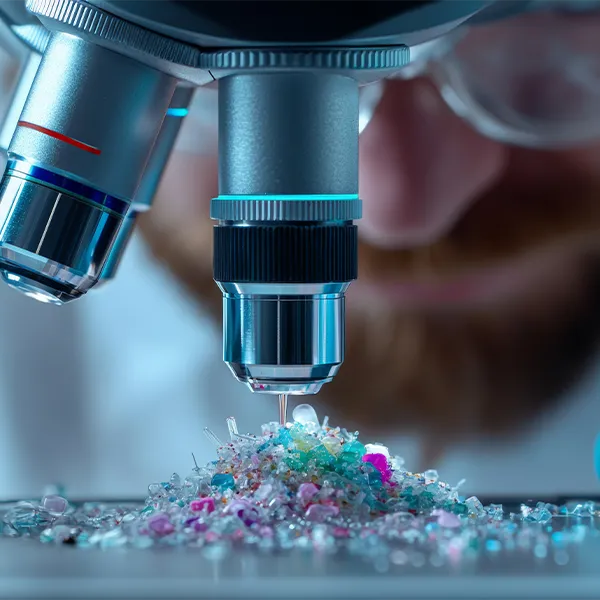
Microplastics are tiny plastic particles typically less than 5 millimeters in size, originating from the breakdown of larger plastic debris or manufactured as microbeads for products like cosmetics and cleaning agents. They are pervasive in the environment, especially in oceans and waterways, where they pose serious risks to wildlife and potentially human health.

How are microplastics harmful to humans?
Microplastics can enter the human body through food, water, and air, potentially carrying toxic chemicals that may disrupt hormones or damage cells. Ongoing research suggests they could contribute to inflammation, oxidative stress, and long-term health issues if accumulated in organs over time.

How are microplastics harmful to animals?
Microplastics are harmful to animals because they can be mistaken for food, leading to ingestion that causes internal blockages, starvation, or exposure to toxic substances. These particles can accumulate in the food chain, affecting not only individual animals but entire ecosystems.

How are microplastics harmful to the earth?
Microplastics persist in soil and water for decades, disrupting natural processes and contaminating ecosystems at every level. Their widespread presence interferes with nutrient cycles, harms microorganisms, and reduces the overall health and resilience of the planet’s environment.
Get Your Questions Answered Here!
What is PFAS
What is PFAS?
PFAS, or per- and polyfluoroalkyl substances, are a group of man-made chemicals known for their persistence in the environment and potential to cause harmful health effects.
What does PFAS do to the body?
PFAS can accumulate in the body over time and may interfere with hormone function, weaken the immune system, and increase the risk of certain cancers and other health issues.
What items contain PFAS?
PFAS can be found in everyday items like nonstick cookware, waterproof clothing, food packaging, stain-resistant fabrics, and some firefighting foams.
How do I avoid PFAS?
To avoid PFAS, choose products labeled PFAS-free, limit use of nonstick cookware and treated fabrics, and avoid fast food packaging and microwave popcorn bags that may contain these chemicals.